Compare W10 van sizes: Transit vs Luton
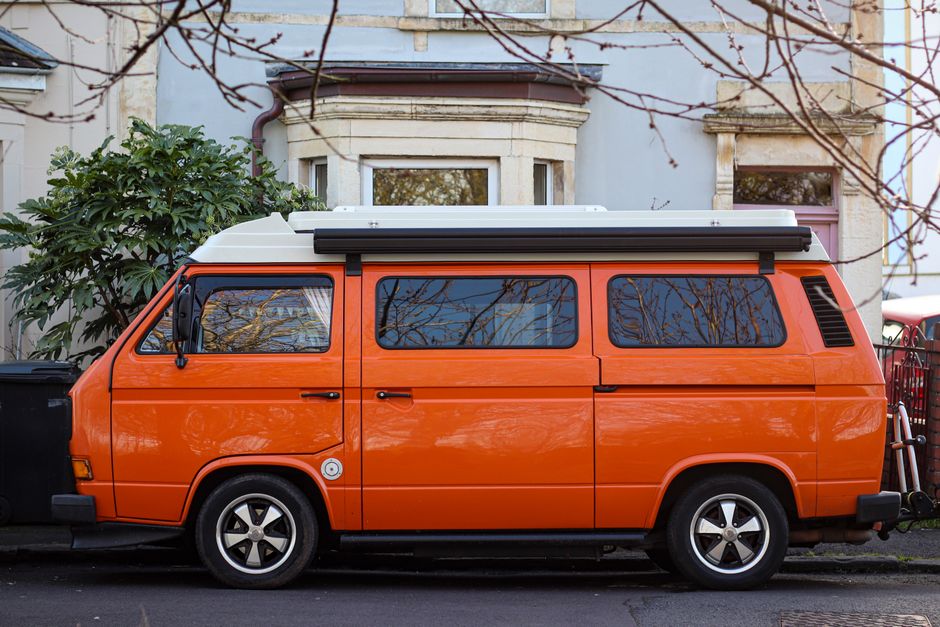
If you are trying to compare W10 van sizes: Transit vs Luton, you are probably standing in that awkward middle ground where the move is too big for a car and too important to get wrong. Maybe it is a one-bedroom flat near the High Street, a few bulky office desks, or a last-minute furniture pickup that suddenly looks a lot bigger than it did online. Easy mistake. Happens all the time.
The good news is that the choice usually comes down to a few practical questions: how much room do you really need, what are you moving, can it fit safely, and do you want a van that is easier to park or one that swallows tall items with less fuss? In this guide, we break down the differences in plain English so you can choose the right vehicle with confidence, not guesswork.
Why Compare W10 van sizes: Transit vs Luton Matters
Van choice is not just a box-ticking exercise. In W10, where roads can feel busy, parking can be tight, and loading often needs a bit of coordination, the wrong vehicle can create unnecessary stress fast. Choose too small, and you may need two trips, more lifting, and more time on the meter. Choose too large, and you can make access awkward for no real gain.
A Transit and a Luton both sit in the popular moving and delivery bracket, but they solve slightly different problems. A Transit is often the flexible all-rounder: easier to drive, easier to park, and usually enough for many household or light commercial jobs. A Luton, by contrast, is the classic volume-first mover. It is built for bulky furniture, stacked boxes, and items that need a tall, square loading space.
That difference matters because moving is rarely about one item. It is about shape, stacking, access, and time. A sofa on its own is one story. A sofa, mattress, dining chairs, a TV unit, and four boxes of kitchen stuff? That is another story entirely. To be fair, the van that looks "big enough" in your head is often the one that ends up feeling oddly full after the first two large items.
If you are planning a house move, you may also want to look at home moving support or a more tailored man with van service depending on the size and complexity of the job. For larger properties or more formal moves, house removalists can be a better fit than simply choosing a bigger van and hoping for the best.
How Compare W10 van sizes: Transit vs Luton Works
The easiest way to compare Transit and Luton van sizes is to think in terms of space shape, not just overall size. A Transit usually offers a long, practical loading area with a lower roof profile than a Luton. That makes it handy for mixed loads, boxes, and items that can lie flat.
A Luton is designed around the tall box body above the cab. That extra vertical room is its big selling point. If you have wardrobes, upright appliances, or furniture that just will not sit neatly inside a standard van, the Luton gives you a bit more breathing room. It is the sort of van that makes you think, "Ah, right, that's where the stress went."
In real-world terms, the decision works like this:
- Choose a Transit if your load is fairly compact, you want a better all-round drive, or access is tight.
- Choose a Luton if you need maximum cubic space, have tall or awkward furniture, or want to reduce the chance of a second trip.
One thing people often miss: van size is only half the story. The layout of the load matters just as much. A well-packed Transit can outperform a badly packed Luton. That is why services such as man and van help and packing and unpacking support can make a real difference on move day. Someone who knows how to stack, strap, and protect items can squeeze surprising value from the same vehicle.
Key Benefits and Practical Advantages
There is no universal "best" van. The best one is the one that matches the job. But each option does bring its own advantages.
Why a Transit often works well
- Usually easier to drive through London traffic and narrow streets.
- More convenient for parking, particularly where space is limited.
- Good for smaller household moves, single-room relocations, and mixed deliveries.
- Can feel less intimidating if you are moving in and out of a busy W10 street.
Why a Luton often wins for larger loads
- Better for tall items and stacked furniture.
- Often a safer choice if you want to avoid overloading a smaller van.
- Useful when the job includes bulky household goods, office furniture, or multiple large appliances.
- Can save time by reducing the need for a second run.
There is also a comfort factor. A Luton can make lifting and loading more straightforward because the box body gives you a cleaner shape to work with. A Transit, meanwhile, may be the friendlier option for stop-start urban driving. In other words, one is not "better"; they are better at different things.
For business customers, the choice can influence how smoothly a day runs. A small office relocation may be perfectly suited to a Transit, while a more involved commercial job may be easier with a larger vehicle or a dedicated commercial moves approach. If you are shifting desks, filing cabinets, and IT kit, the goal is not just to move things. It is to move them without the kind of chaos that makes everyone stare at the kettle and sigh.
Who This Is For and When It Makes Sense
This comparison is useful for anyone planning a move, pickup, or delivery in W10 and the surrounding areas. But the practical answer depends on your situation.
A Transit makes sense if you are:
- Moving from a studio or one-bedroom flat with moderate furniture.
- Collecting a few large items from a shop, seller, or warehouse.
- Moving a small office or a home workspace.
- Working with tighter access, a busy street, or limited parking.
A Luton makes sense if you are:
- Moving larger furniture like wardrobes, beds, or sofas.
- Transporting stacked boxes plus bulky items at the same time.
- Relocating a larger flat, family home, or fuller office setup.
- Worried about mixing tall items with lots of smaller pieces.
It also depends on your risk tolerance. If you would rather have a bit of spare space than play loading Tetris at 8:00 in the morning, the bigger van may be worth it. If your move is light, you may prefer the simpler, leaner option. Honestly, many people decide by looking at the stairs, the lift, and the size of the bed frame. That usually tells the truth pretty quickly.
For furniture-only jobs, a focused furniture pick-up service may be enough. And if the move is part of a broader home relocation, pairing the right van with good preparation matters more than people expect. Small detail, big difference.
Step-by-Step Guidance
If you are not sure how to make the decision, use this practical process. It keeps things simple and avoids those last-minute "we probably should have ordered the bigger van" moments.
- List every item you need to move. Include furniture, boxes, appliances, and anything awkwardly shaped.
- Separate large items from small ones. A sofa can dominate space far faster than a stack of boxes.
- Measure the longest and tallest items. Wardrobes, mattresses, and table legs often decide the van choice.
- Check access at both ends. Stairs, narrow entrances, parking distance, and lift size all matter.
- Think about loading order. Can the lighter items be stacked safely? Will the big items need upright space?
- Choose the van that gives a margin. A little spare room is usually cheaper than extra time and stress.
- Plan the loading route. If you are hiring help, make sure the team knows what is going first and what needs protection.
Here is a small but useful rule of thumb: if you are hesitating between sizes and your load includes any tall furniture, choose the shape that makes loading easier, not the one that merely sounds "big enough." That one decision can save a frustrating half hour.
If you are arranging a home move, it is worth checking whether you would benefit from house removalists or a more flexible man and van option. Both can be sensible depending on the amount of help you need.
Expert Tips for Better Results
A few small choices can make the move feel much smoother. In our experience, the best results usually come from preparation rather than brute force. Less drama. More method.
- Disassemble furniture where possible. A bed frame in pieces is easier to pack than a fully built one, and it usually protects better too.
- Use uniform boxes if you can. They stack neatly and waste less space.
- Load heavy items first. Put the weight low and stable, then build up around it.
- Protect surfaces early. Blankets, covers, and wrap stop small bumps becoming annoying damage.
- Keep essentials separate. Keys, chargers, documents, and a kettle should not disappear into the back of the van.
One quiet win is to keep a rough mental picture of the van as zones: heavy base, medium stack, light top, fragile side. It sounds a bit nerdy, maybe it is. But it works.
If your move is time-sensitive, professional packing and unpacking services can reduce mistakes and help you use the van more efficiently. And if the trip is business-related, an organised office relocation service can help keep downtime lower than you might expect.
Common Mistakes to Avoid
People rarely get van choice wrong because they are careless. Usually, they underestimate a few ordinary things and then the job becomes more awkward than it needs to be.
- Guessing the load size. "It should fit" is not a plan. Measure it.
- Forgetting about height. A load can look small on the floor and suddenly become impossible once stacked.
- Ignoring access. A large van is not ideal if parking is a long way from the property.
- Overfilling the van. That creates instability and can make unloading much harder.
- Not separating fragile items. A mirror or lampshade can be the first casualty of bad stacking.
- Choosing only on price. The cheapest option can cost more in time, labour, or a second trip.
Another classic mistake is assuming the same vehicle works equally well for every job. A Transit can be brilliant for one move and completely the wrong shape for another. Same with a Luton. Context matters. A lot.
For larger or more equipment-heavy jobs, it can be worth considering a dedicated moving truck or removal truck hire instead of trying to force a small vehicle into a bigger role.
Tools, Resources and Recommendations
You do not need fancy software to choose the right van. A tape measure, a notebook, and a decent sense of how much space your furniture actually takes up will do more than enough. Still, there are a few practical resources and habits that help.
- Room-by-room inventory: write down what is leaving each room.
- Simple measurements: note length, width, and height for bulky pieces.
- Packaging plan: decide which items can be boxed, wrapped, or dismantled.
- Access notes: floor level, lift availability, parking distance, and any narrow entrances.
If you are comparing vehicle options as part of a broader moving budget, the page on pricing and quotes is a sensible next stop. It helps to know what factors influence the final job rather than relying on guesswork and crossed fingers.
And if you want to understand the company a bit better before booking, the about us page is useful for context. When you are handing over your furniture, it is fair to want a clear picture of who is doing the work.
Law, Compliance, Standards, or Best Practice
For most domestic moves, the main issue is not a complex legal threshold. It is safe handling, roadworthiness, insurance cover, and making sure the work is carried out responsibly. That said, best practice matters. A lot.
Good moving practice in the UK usually means vehicles are loaded securely, items are handled safely, and customers are given clear information about what to expect. If you are moving heavy furniture or handling valuable items, it is sensible to ask about insurance and safety before the move. That is not being fussy. That is being sensible.
It also helps to check how a provider approaches communication, complaints, and service expectations. Clear terms matter, especially if timing is tight or access is tricky. The details may feel boring now, but they save headaches later. And those headaches tend to arrive right when the hallway is full and the rain has started, naturally.
For customers who care about ethical operations and sustainability, it can also be useful to review a company's recycling and sustainability approach and its published health and safety policy. If you are making a choice between two van sizes, knowing the service is run carefully gives extra reassurance.
Options, Methods, or Comparison Table
Here is a straightforward comparison to help you choose between a Transit and a Luton. Dimensions can vary by vehicle model, so treat this as a practical guide rather than a manufacturer specification sheet.
| Factor | Transit | Luton |
|---|---|---|
| Best for | Mixed loads, smaller moves, easier urban access | Bulky furniture, tall items, higher volume moves |
| Driving and parking | Usually easier in tighter W10 streets | Can be more awkward in restricted spaces |
| Loading shape | Flexible, practical, lower roof profile | Square-bodied, tall, better for stacking and upright items |
| Typical advantage | Convenience and manoeuvrability | Volume and height |
| Risk if undersized | Second trip or awkward overpacking | Less likely, but may be more vehicle than you need |
Practical takeaway: if access is tight and your load is modest, the Transit is often the cleaner choice. If your items are large, tall, or simply awkward, the Luton usually earns its keep. Simple, really. Not always easy, but simple.
For some moves, a hybrid approach is best: use the van size that suits the bulky items, then combine it with smart packing and a tidy loading order. That is often more effective than chasing the largest possible vehicle.
Case Study or Real-World Example
Picture a typical W10 move on a bright Friday morning. A customer has a double bed, mattress, two wardrobes, a small sofa, a dining table, six boxes, and a couple of lamps. At first glance, it sounds manageable. Then you see the wardrobe doors, the awkward angle of the stairwell, and the fact that one lift is out of service. Suddenly, the move is not so tidy.
With a Transit, that job might be possible, but only if some furniture is dismantled and the loading is very disciplined. With a Luton, the tall, square body gives the team more flexibility. The mattress can sit more comfortably, the wardrobe sections do not need to be squeezed as tightly, and the boxes can be stacked without fighting the roofline.
Now flip the scenario. If the same customer had a much smaller load - say, a sofa, a bicycle, four boxes, and a sideboard - the Transit could easily be the better choice. Easier access, easier parking, less wasted space. In that case, the bigger van would just feel like overkill. A bit like using a wheelbarrow to carry a sandwich.
The lesson is not that one van is superior. It is that the job size, item shape, and access conditions should decide the vehicle. Good moving decisions are rarely dramatic. They are just quietly sensible.
Practical Checklist
Use this before you book anything. It will save time, and probably a little stress too.
- List all furniture, boxes, and awkward items.
- Measure the largest pieces, especially height-sensitive items.
- Check stairs, lifts, parking, and entrance width at both addresses.
- Decide whether items can be dismantled or stacked safely.
- Think about whether one trip is enough.
- Choose Transit for manoeuvrability and mixed small-to-medium loads.
- Choose Luton for volume, height, and bulky furniture.
- Confirm whether you need loading help, packing help, or both.
- Review insurance, safety, and terms before booking.
- Keep essentials aside so they do not disappear into the van.
If you are still unsure, that is completely normal. A good rule is to choose the van size that makes the job feel controlled rather than cramped. Controlled beats clever, most days.
Get a free quote today and see how much you can save.
And if you want to talk through a move in a bit more detail, the best next step is to speak with a team that knows local access, timing, and vehicle selection inside out. It makes the whole thing calmer, and calmer is underrated on moving day.
Conclusion
When you compare W10 van sizes: Transit vs Luton, the real question is not which van is bigger. It is which van fits your load, your access, and your tolerance for hassle. A Transit is often the smarter choice for smaller or tighter moves. A Luton usually comes into its own when items are taller, bulkier, or more numerous.
If you take nothing else from this guide, take this: measure first, choose for shape as well as space, and do not underestimate how quickly a small move can turn into a heavy one. That little bit of planning usually pays you back in time, energy, and fewer awkward moments at the doorway.
Truth be told, the best move is the one that feels a bit boring while it is happening. No panic, no shuffling boxes around for the third time, just a steady job done properly. That is the aim.
Frequently Asked Questions
What is the main difference between a Transit and a Luton van?
The main difference is shape and loading style. A Transit is usually more compact and easier to manoeuvre, while a Luton has a taller box body that gives you more usable volume for bulky or stacked items.
Which is better for a one-bedroom flat move?
It depends on how much furniture you have. A light one-bedroom move often suits a Transit, but if you have a lot of furniture, a mattress, or several bulky items, a Luton may be safer and simpler.
Is a Luton always bigger than a Transit?
In practical loading terms, yes, a Luton usually offers more volume and height. But exact dimensions vary, so the best choice still depends on the specific vehicle and the items you need to move.
Can a Transit fit a sofa and mattress?
Often yes, especially with careful loading and if the mattress is standard size. But once you add boxes, side tables, or other furniture, space can disappear quickly.
Is a Luton harder to park in W10?
Usually, yes. A Luton can be more awkward in tight or busy streets, so if parking and access are limited, a Transit may be easier to live with.
Which van is better for furniture pick-up?
For a single large item or a small set of items, a Transit may be enough. For tall wardrobes, flat-pack bundles, or multiple bulky pieces, a Luton is often the better call.
Should I choose the bigger van just in case?
Not always. A bigger van gives you breathing room, but it can also be less convenient to park and manoeuvre. Choose the size that suits the load and the access, not just the fear of running short.
Do I need packing services if I hire a larger van?
Not necessarily, but packing services can help you use the space more efficiently and protect items better. If you are short on time or have fragile belongings, it can be a sensible add-on.
What if I am not sure which van size I need?
Make a simple list of your furniture, boxes, and large items, then check the dimensions of the bulkiest pieces. If you are still unsure, ask for advice before booking so you do not end up squeezing things in at the last minute.
Is it better to use a man and van or a full removal truck hire?
For smaller, straightforward jobs, a man and van service can be ideal. For larger or more complex moves, especially where volume and handling matter, removal truck hire may be a better fit.
Can I use the same advice for office moves?
Mostly yes, but office moves also need extra attention for desks, monitors, filing, and business downtime. In that case, vehicle size matters alongside planning and coordination.
What should I check before booking a van for my move?
Check the load size, the access at both addresses, whether anything can be dismantled, and whether you need help with loading or packing. A few minutes of planning can prevent a very long afternoon.
Where can I find more information about safety and service standards?
It is sensible to review the provider's health and safety, insurance, terms, and payment information before booking. That gives you a clearer picture of how the job will be handled and what to expect.